Reading Yuan through Dadu
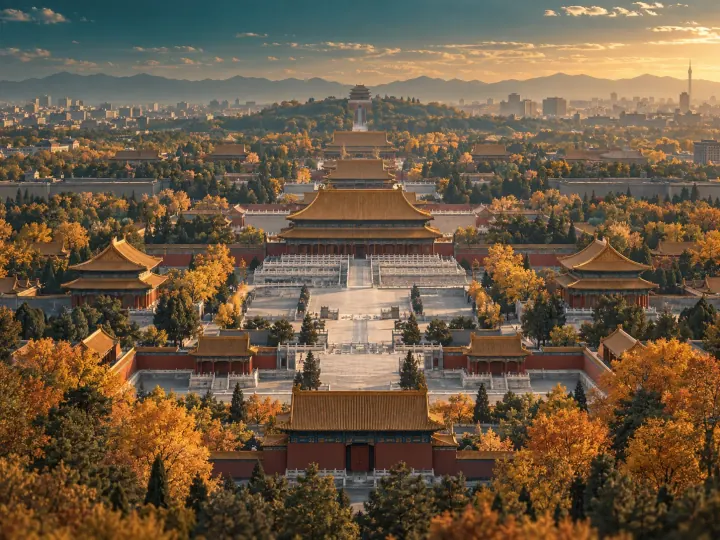
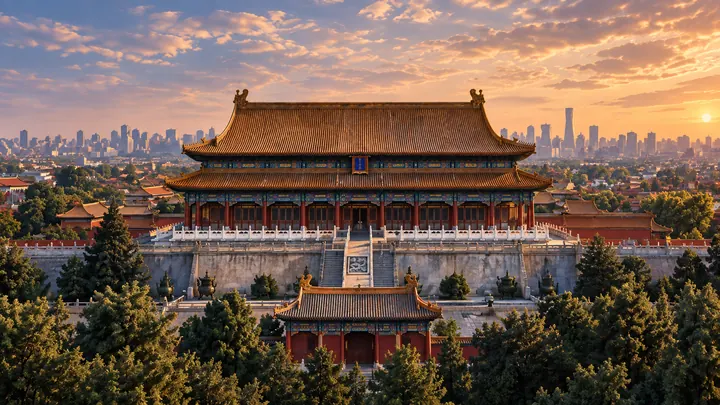
Yuan Dadu forms an important layer of present-day Beijing’s history. Its planning and axial organization reflected traditions of capital ritual while responding to water, transport and palace construction. Relationships among court space, waterways and wider routes provide concrete ways to understand the city.
Beijing is not an unchanged survival of Dadu. The central axis and some street patterns continued earlier foundations, while palaces, walls and urban boundaries were rebuilt and adjusted under the Ming, Qing and later periods. Distinguishing Yuan traces from subsequent alterations reveals a city shaped by both continuity and change.
Post roads and the Eurasian world
Yuan relay stations linked documents, official missions and local supplies. Access required appropriate authorization and credentials. Traders could benefit from routes and wider exchange, but the stations were not a free public postal service. Supplying horses, provisions and labour also imposed real costs.
The Yuan and other Mongol khanates exchanged people, knowledge and goods while experiencing political rivalry and warfare. The wider Eurasian Mongol network was not one administrative system directly managed by the Yuan court. Distinguishing Yuan government from broader connections clarifies both the reach and the limits of exchange.
Literati in a new era
Yuan drama, calligraphy and painting developed distinctive forms. Playwrights including Guan Hanqing, artists such as Zhao Mengfu and the painters later called the Four Yuan Masters left important works. Their different careers connected artistic traditions with audiences and patrons.
Changes to the examination system affected scholarly careers but cannot alone explain cultural development. Some scholars withdrew into local life; others entered government, including Zhao Mengfu, who served the Yuan court. Political choices, social networks, inherited techniques and individual exploration all mattered. Artists were not uniformly people who turned to art only because office was closed to them.