
City overviewChang’an, within and beyond the walls
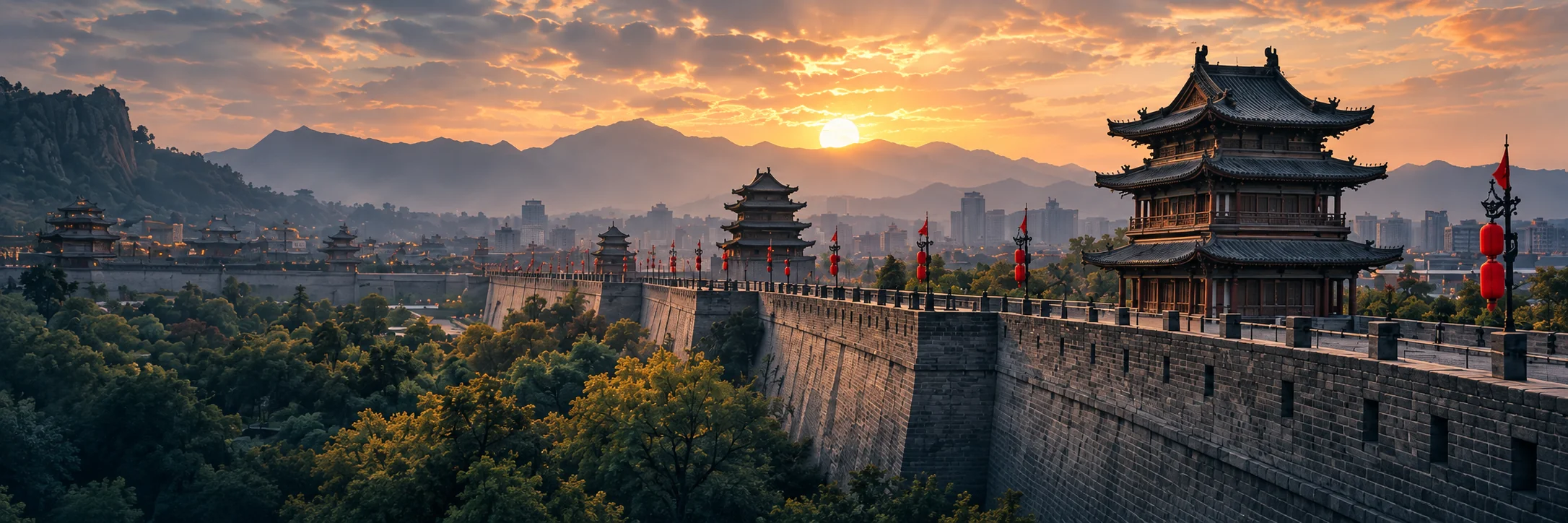
Xi’an sits in the Guanzhong plain as the great entry to Zhou, Qin, Han and Tang history. Fenghao, Qin Xianyang, Han Chang’an and Sui–Tang Chang’an occupied different sites, and the standing walls belong mainly to the Ming. Sort the eras and sites first, then let museums and remains link them. Guanzhong’s “fortress within four passes” geography explains why early empires kept their political center here: mountains and rivers embrace the plain while commanding the east.
Start with an era, follow a story, and explore the places that connect history with the present.
The city through time
- Western Zhou
Fenghao and Guanzhong
Western Zhou built its dynastic center in Guanzhong, with the Fenghao sites west of modern Xi’an. Ritual vessels and excavated remains are the reliable evidence — not legends pinned onto modern streets. Excavation on both banks of the Feng River continues, and the relationship between King Wen’s Feng and King Wu’s Hao remains an open research question.
- Qin
Unification and the imperial tomb
Qin ruled from Xianyang, and unification standardized script, measures and administration. The First Emperor’s mausoleum and terracotta army at Lintong reveal burial institutions and mass production — but the Qin capital was not in today’s city center, and excavations at the Epang Palace site warn that many textual palaces were never finished.
- Han
Chang’an and distant connections
Han Chang’an was the empire’s political center, and Zhang Qian’s missions deepened ties between Guanzhong and Central Asia. The Silk Roads were many routes and peoples, not one fixed road. The rammed-earth walls still ridge the northwest suburbs, and the outline of the Weiyang Palace forehall can be traced on foot.
- Sui and Tang
From Daxing to Chang’an
Sui built Daxing and Tang inherited and enlarged its plan: palace, wards, markets and temples ordering urban life, with Xuanzang’s translation project after his return marking the city’s religious and intellectual exchange. Tang Chang’an held over a million people, the world’s largest city — its axis still underlies central Xi’an today.
- Ming to today
Walls and urban memory
The standing walls were expanded under Ming rule and repaired many times since; their extent and function differ from Tang Chang’an. Museums, archaeological parks and the old-city walk complement one another. Ming Xi’an enclosed the Tang imperial city: most street grids inside the walls still follow the Tang lattice.
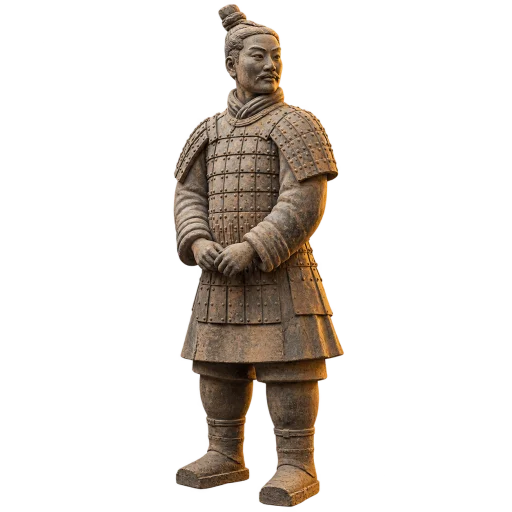
Qin unified a large territory; the First Emperor’s mausoleum is a major surviving site.
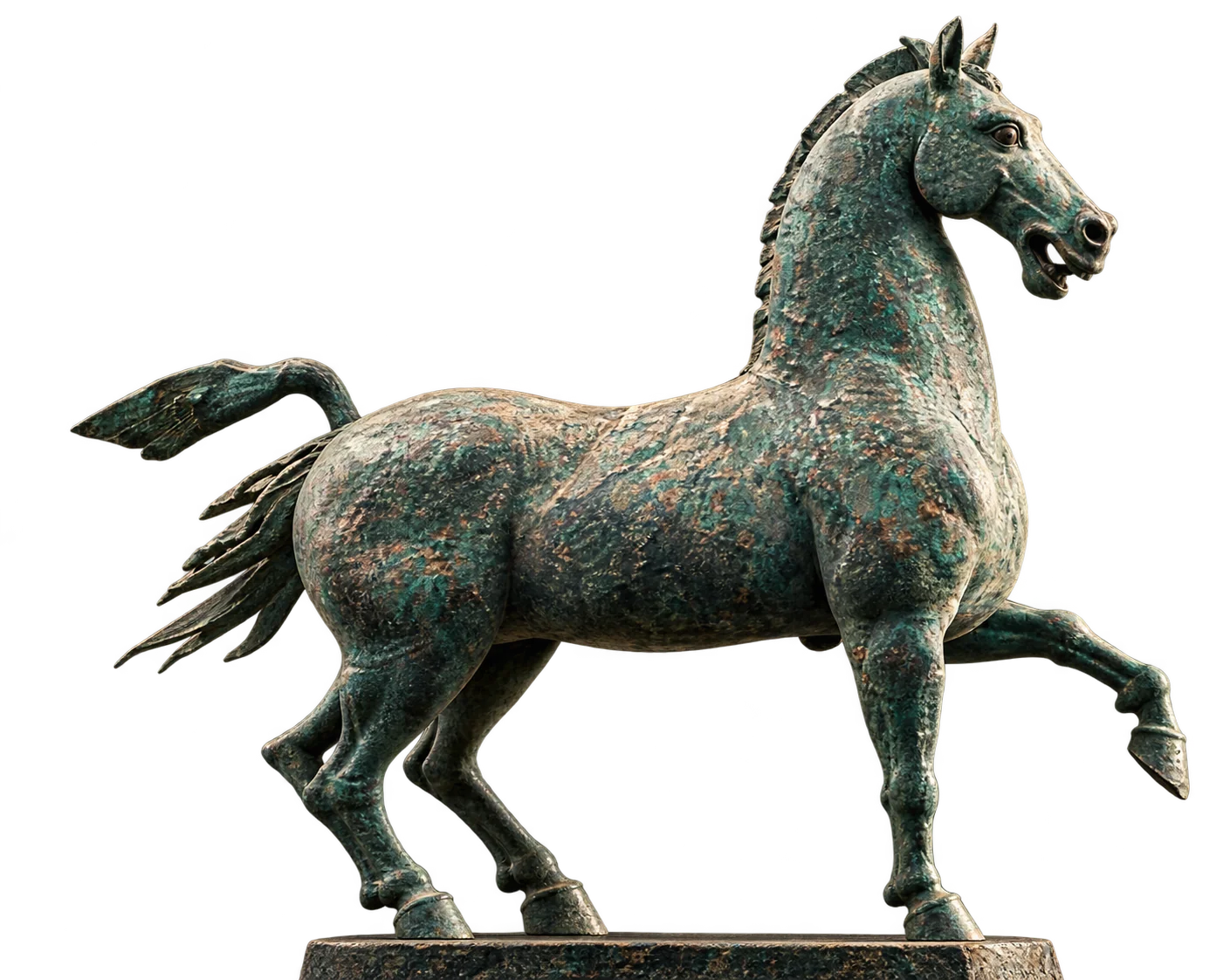
Han government, economic exchange and culture shaped later history. Western and Eastern Han were separated by the Xin interregnum, with Chang’an and Luoyang as their respective capitals.
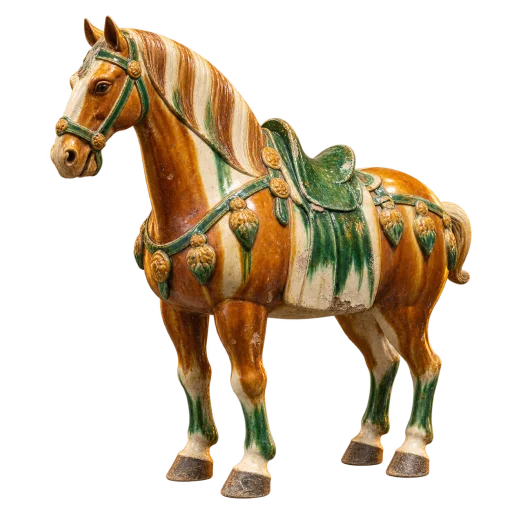
Explore Tang China’s capitals, poetry, sancai ceramics and Buddhist printing, from 618 to 907 and the changes after the An Lushan rebellion.
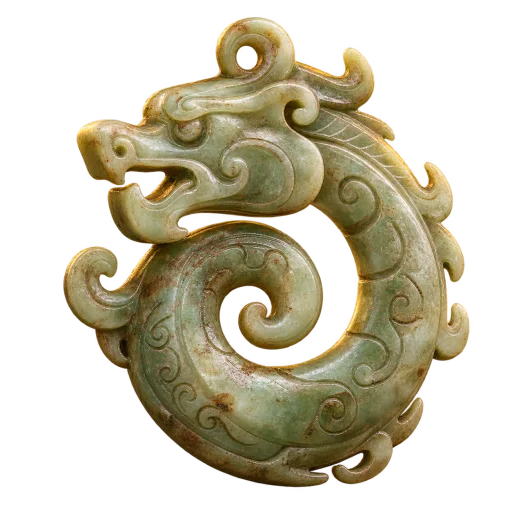
Explore settlement, farming, crafts and early cities through archaeological evidence from different regions. This span is not a dynasty or a chronology of legendary rulers.
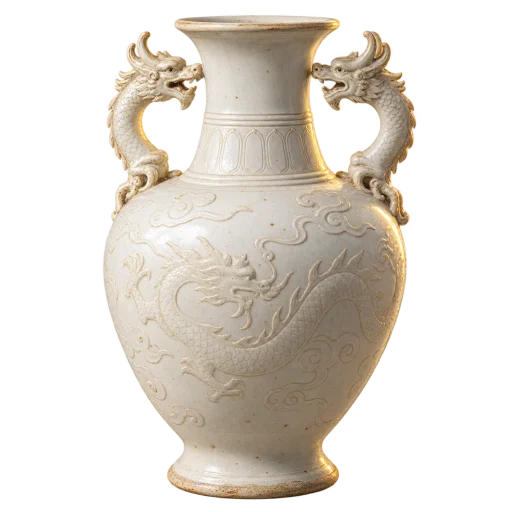
Sui reunited north and south and shaped institutions and routes inherited by Tang.
History, culture and folklore
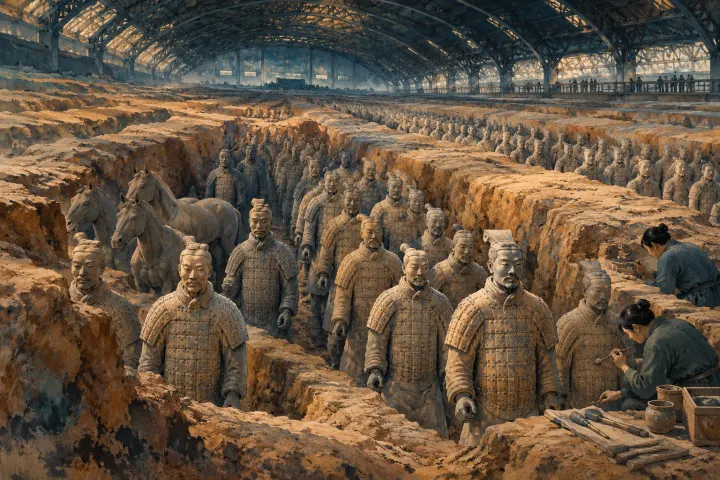
Beyond the Terracotta Army: the First Emperor’s Mausoleum
Read the mausoleum as a wider archaeological landscape, not just the terracotta pits.
Read story
Chang’an and the Silk Road: why start in Xi’an?
Chang’an, in present-day Xi’an, was a major Silk Roads hub. Explore Han diplomacy, Tang cultural exchange and the sites that connect this history with Xi’an today.
Read story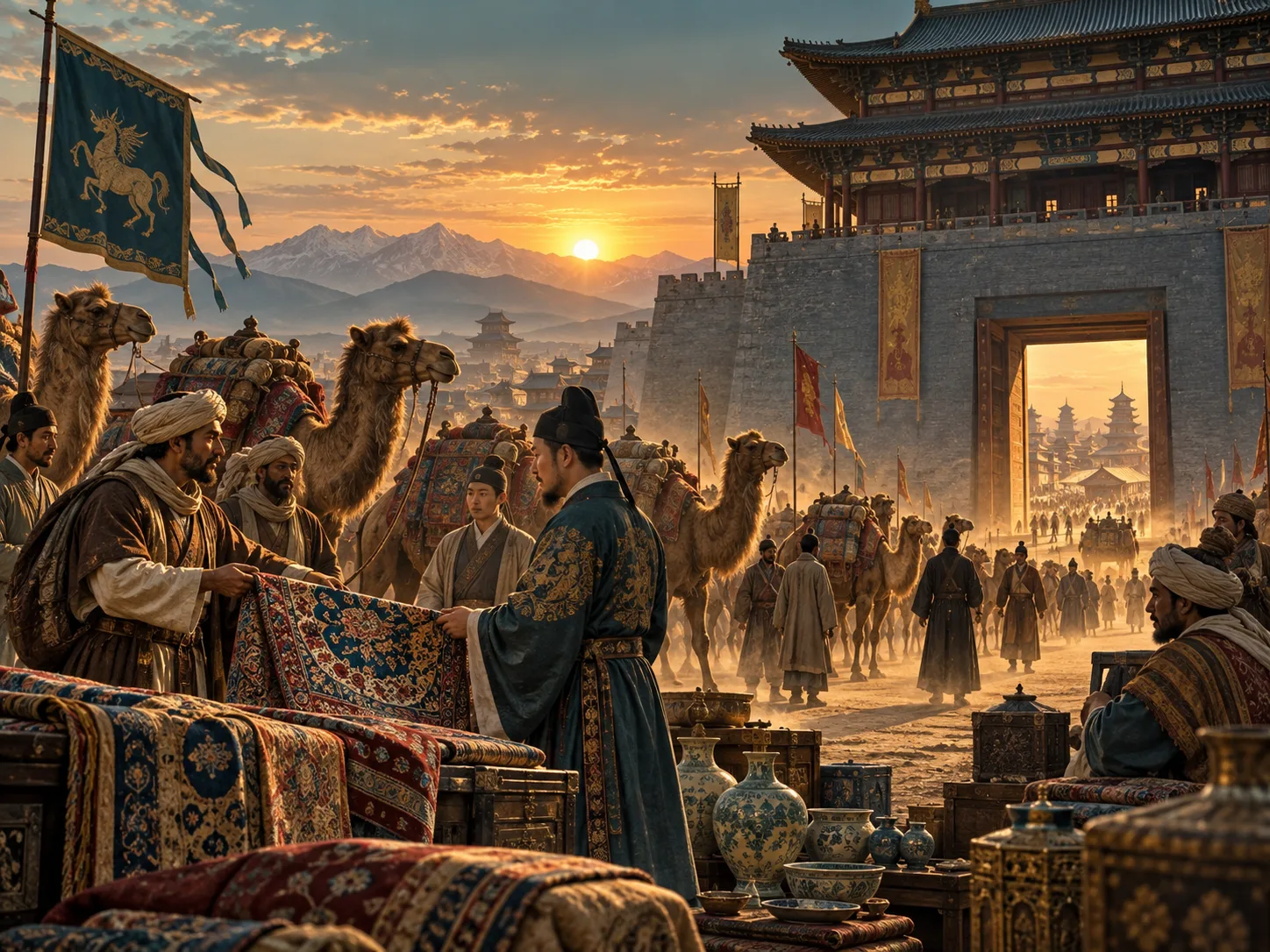
Zhang Qian’s western mission: why a failed alliance still mattered
Read the diplomatic goal, assistance along the way, and the difference between firsthand knowledge and reports—not a tale of one man creating the Silk Roads.
Read story
How Liu Bang founded the Han after the fall of Qin
Liu Bang became king of Han in 206 BCE and emperor in 202 BCE. Follow the war, supply lines and administrators that turned a coalition into a dynasty.
Read storyTaizong and the Zhenguan era: governing after conquest
Taizong took the throne in 626; the Zhenguan era began in 627. Follow the succession crisis, famine relief and government debate behind early Tang recovery.
Read story
Yangshao and Banpo: how did everyday life become village life?
Begin with a house foundation, a millet grain and a painted bowl. Explore settlement, storage and shared life through the people who built and worked, rather than a list of kings.
Read storyFrom Wen and Jing to Emperor Wu: recovery and the costs of expansion
Granaries, regional kingdoms, frontiers and coinage shaped the Western Han together. Follow the accumulation of resources and the costs of turning them into imperial power.
Read storyWang Mang and Guangwu: why was Han interrupted by the Xin dynasty?
The fall of Western Han, Xin reforms, competing claimants and Eastern Han reconstruction were distinct stages. Follow the turning points of 9, 23, 25 and 36 CE.
Read storyWhy the Sui fell: canals, campaigns and an overburdened empire
Unification did not create unlimited resources. Follow the logistics of the Goguryeo campaigns, repeated labour demands and rebellion behind the Sui collapse.
Read storyAfter An Lushan: the long road to the end of Tang
Military governors were not all rebels, and suppressing rebellion did not necessarily restore the court. Trace the shifting power behind the Tang ending in 907.
Read storyPlaces to explore
01 · Shaanxi History Museum
First build a chronological frame from prehistory to empire, then go deep on the periods that interest you. Displays and branches change; be clear which site your booking covers. The Tang mural gallery is separately ticketed with capped entry — plan a slot around it.
02 · Qin Mausoleum Museum
Allow a separate Lintong excursion. Grasp the mausoleum-and-pits relationship before reading the figures’ arrays, production marks and conservation. Do not see the army as mere statuary: Pit 1’s restoration zone, where figures are reassembled, is a working classroom on how archaeology happens.
03 · Giant Wild Goose Pagoda and Daming Palace
Two different faces of Tang — religion and palace — far apart; pick a focus. Daming Palace offers earthworks and interpretation, not intact halls. Pagoda ascent is capped and the inner stairs narrow: go early in season.
04 · Xi’an City Wall
Enter at any open gate and read gates, projecting bastions and the urban grid as a Ming–Qing system — not an intact Tang wall. A full circuit by bicycle takes about ninety minutes; evening light shows the layering of wall and city best.
Suggested itineraries
Three days through Xi’an
Day 1 museum and old city near the wall; day 2 Lintong and the Qin Mausoleum Museum as a separate round trip; day 3 the pagoda or Daming Palace with nearby streets. Move by modern transport, not by dynastic order. Lintong with queues takes a full day — start early.