
City overviewA capital through the centuries
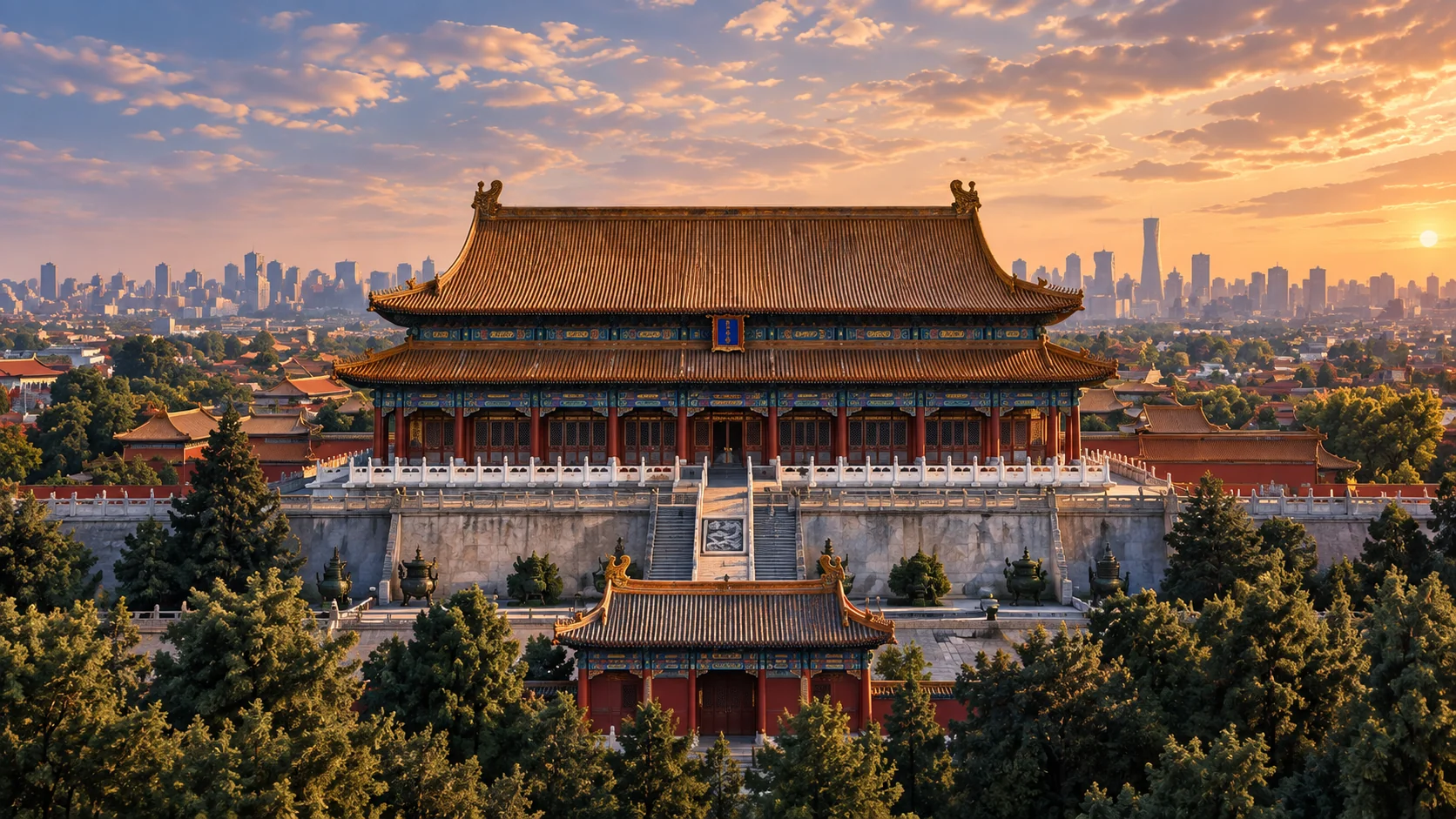
At the northern edge of the North China Plain, Beijing connects mountain passes, waterways and successive capitals. Read it along two lines: the shifting capital from Liao, Jin and Yuan through Ming and Qing, and the defenses and routes of the northern mountains. The palace, the axis, the hutongs and the wall belong to different periods and cannot be lumped together as “ancient.” The city’s north–south grain differs between the older northern city and the later southern additions — seeing Beijing as layers comes closer to fact than hunting one intact old city.
Start with an era, follow a story, and explore the places that connect history with the present.
The city through time
- Before Qin to Sui–Tang
From Yan and Ji to Youzhou
Early settlements associated with Yan and Ji preceded the later city of Youzhou, a northern administrative and military node whose site and bounds shifted many times — do not project today’s map backward. Under Sui and Tang it was the base for northeastern campaigns, its granaries and the canal terminus marking it as the northern anchor of north–south logistics.
- Liao and Jin
Nanjing and Zhongdu
Liao made this its Southern Capital and Jin moved its capital here in 1153, calling it Zhongdu — its core lay southwest of the later old city, not coincident with Yuan Dadu or Ming–Qing Beijing. The moving center of gravity is the key to reading Beijing’s map; the Lotus Pond and Jin Zhongdu park still hint at that city’s orientation.
- Yuan
Dadu, water and transport
Yuan Dadu linked palace, streets and waterworks into a new urban order, with Guo Shoujing’s engineering securing supply and canal transport. Shichahai is the best entry for reading water and city together, though surviving buildings must be dated individually. Dadu’s checkerboard streets remain the substrate of the lanes inside the Second Ring — the Yuan city still hides in the modern map.
- Ming
Palaces and northern defences
The Yongle Emperor’s palace complex was essentially complete in 1420 and the capital moved in 1421. Wall building kept being adjusted through the Ming; Badaling and Mutianyu mainly present Ming masonry with later repairs — ramparts, towers, passes and garrisons forming a system, not a lone wall. The Ming also walled in the southern city: the shop lanes outside Qianmen are the product of that expansion.
- Qing to 1912
Adaptation and the end of empire
Qing rulers inherited the capital and added their own layers: the Three Hills and Five Gardens spreading through the western suburbs, commerce shifting outside Qianmen. The 1912 abdication ended imperial rule and the palace later became a museum — visit watching how ceremonial space and public space overlay each other.
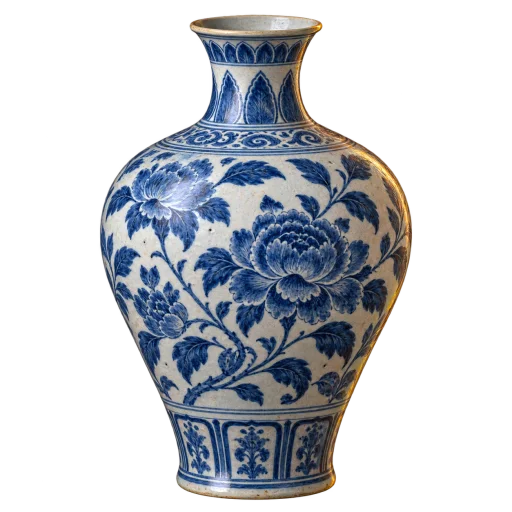
Yuan capital planning laid foundations for the later Beijing Central Axis.
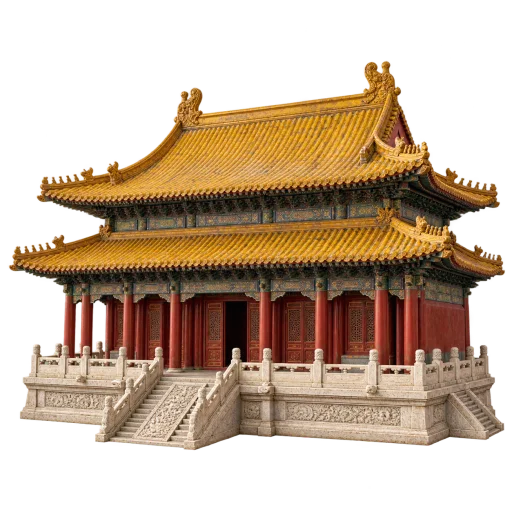
Explore Ming China’s Nanjing and Beijing capitals, palace and Great Wall, Zheng He’s voyages, porcelain trade and the transition of 1644.
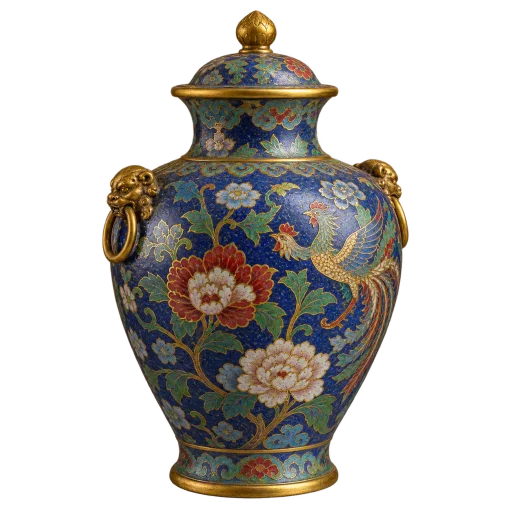
Qing continued and changed Beijing’s political landscape. Here 1644 marks its rule over China proper, not its earliest state founding.
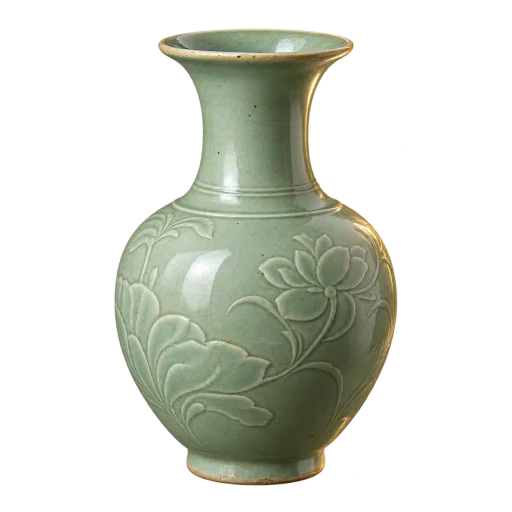
Northern and Southern Song overlap in time with Liao and Jin. Southern Song Lin’an relates to today’s Hangzhou.
History, culture and folklore
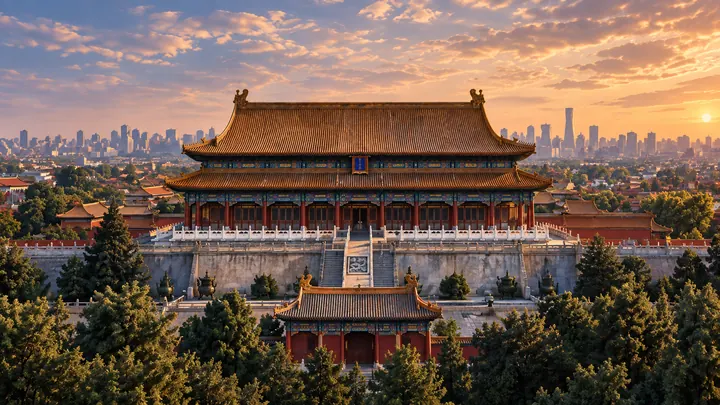
What Is Beijing’s Central Axis? History and Places to See
From Yongdingmen to the Bell and Drum Towers, understand the Central Axis, its imperial layout and how to choose a segment to explore.
Read story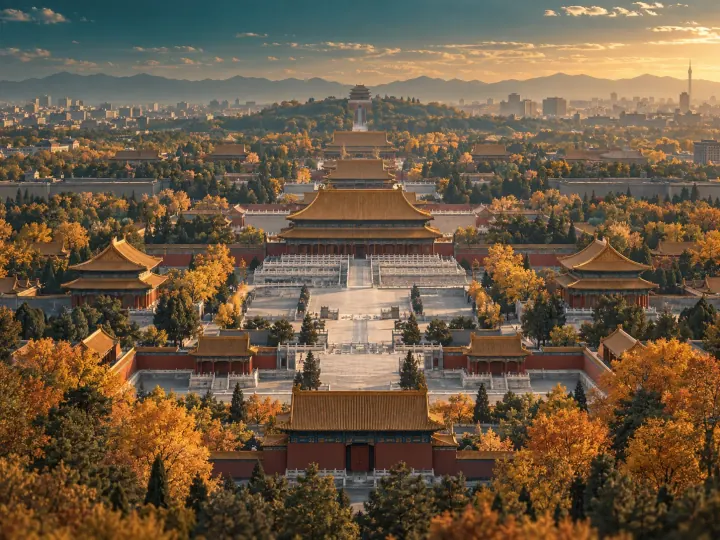
Dadu, China: the Yuan capital in today’s Beijing
Find Yuan Dadu in modern Beijing: compare Dadu and Khanbaliq, wall remains, Jishuitan, Wanning Bridge and the later Ming–Qing city.
Read story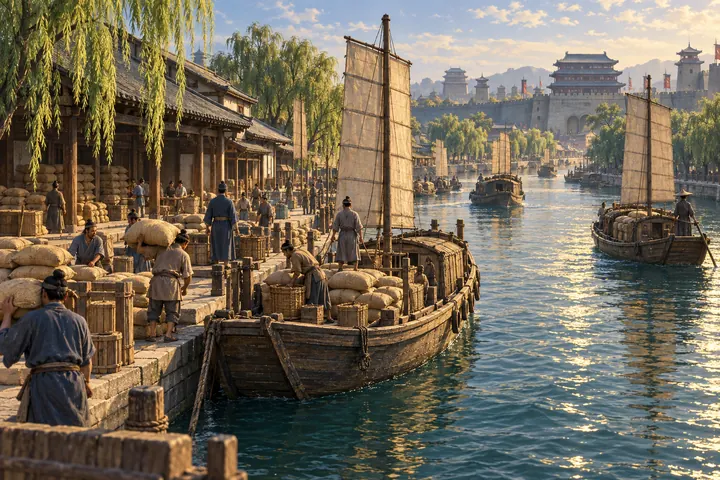
Guo Shoujing and the Tonghui River
Why would a water route take a detour? Follow springs, terrain and shadows to explore Guo Shoujing’s work on Dadu’s waterways and the Shoushi calendar.
Read storyWhen Was the Forbidden City Built? Yongle’s Beijing
Planning began in 1406, major construction in 1417, and completion followed in 1420. Separate the building project from later repairs and rebuilding.
Read story
Why Was the Ming Great Wall Built? Towers, Passes and Length
Understand the Ming Great Wall’s defenses and distinguish its 8,851.8 km survey figure from the 21,196.18 km total for walls of different periods.
Read storyKangxi and the three feudatories
A twenty-year-old emperor overrode his court and staked half the empire on eight years of war: center and frontier were repriced forever.
Read story
The Four Treasuries: preservation and purge
3,400 works collected, 3,000 destroyed: preservation and purge in one motion — the Siku is the key to Qing cultural policy.
Read storyThe abdication of 1912
The abdication edict, the favorable terms, the little court, and the 1924 expulsion order: from one man’s home to a museum of everyone.
Read storyThe Song–Yuan transition: why 1271, 1276 and 1279 all matter
Naming the Yuan dynasty, taking Lin’an and ending the Southern Song were separate events. Follow Khubilai and two capitals through an overlapping transition.
Read storyYongzheng’s thirteen years: taxes, memorials and imperial succession
Between Kangxi and Qianlong, Yongzheng reshaped revenue, communication and succession. How did decisions inside the palace reach distant counties?
Read storyConnecting the Yuan: provinces, relay stations and multilingual documents
Begin with an official document and a relay horse to explore Yuan administration, Eurasian connections and the work that kept routes operating.
Read storyThe Tumu crisis of 1449: how Beijing held after an emperor was captured
Defeat at Tumu did not settle Beijing’s fate. Yu Qian, a reconstituted court and the capital’s defenders faced problems of command, supply and political authority.
Read storyZhang Juzheng and the Single Whip reforms: why Ming taxes moved towards silver
Combining obligations and converting payments into silver linked taxation to land, markets and state power. Why could an order from the court not complete the reform by itself?
Read storyRicci and Xu Guangqi: a world map, six books of geometry and late-Ming exchange
Ricci established himself in Beijing in 1601; a world map appeared in 1602, and six books of Euclid in Chinese in 1607. Each achievement depended on Chinese collaborators and readers.
Read story1644: what happened between the fall of Ming Beijing and Qing rule?
The dynasties did not exchange power in a single ceremony. Rebellion, the Shanhai Pass campaign, a new capital and Southern Ming resistance formed a much longer transition.
Read storyThe Hundred Days Reform: why decrees did not become lasting power
Education, newspapers and administrative change were also arguments about who could direct the state. Follow reform from public debate into a divided court.
Read storyBeijing in 1900: the Boxers, the siege and the costs of war
How did conflict in north China become an international war? Follow the consequences for Chinese Christians, other residents and the post-war state as well as the court.
Read storyFrom examination abolition to Wuchang: the Qing’s final decade of reform
Schools, new armies, constitutional preparation and railways were intended to strengthen the dynasty. They also changed expectations and the organisation of political power.
Read storyPlaces to explore
01 · Palace Museum and Jingshan
Best first stop for reading the Ming–Qing capital: walk the palace’s main courtyards to tell outer court from inner, then climb Jingshan to see how palace and axis relate. Visits run south to north; openings shift daily, and the two sites need separate admissions. Allow over half a day and check booking quotas and closing days first.
02 · Shichahai and Guo Shoujing Memorial
Puts the Yuan Dadu story into real space: walk the lake to read water, shore and streets together, then use the memorial to understand water diversion and canal transport. The shore has changed for centuries — do not take it for the Yuan original. The free memorial often needs booking, and the surrounding hutongs reward a walking loop.
03 · Badaling or Mutianyu Great Wall
Choose one section for a separate day, allowing real travel time from the city. Read tower blocks, wall materials and the siting of passes; stay on open visitor routes, and pick shorter stretches for mixed parties — steps and grades are demanding. The Meng Jiangnü tale belongs to folklore, not dating evidence. Badaling is easier to reach but busier; Mutianyu quieter — choose by season.
Suggested itineraries
Two days: capital and wall
Day 1: Palace Museum → Jingshan, then Shichahai if strength and time allow. Day 2: Badaling or Mutianyu, one only, with round-trip travel from the city. Read in order — Yuan planning, Ming building, Ming wall — with the Qin wall and Meng Jiangnü as pre-trip counterpoint. Never pack two wall sections into one day, or the palace and a wall into one.
Three days: add waterways
Day 1 palace and Jingshan; day 2 Shichahai, the memorial and neighboring lanes, with time to rest and see exhibits; day 3 a wall excursion. If museum bookings fail, swap the two central days — never substitute rushing for reading. Keep one evening for the Drum and Bell Tower district: at night they read entirely differently than by day.