
Follow history into the city
Begin with historical context, then choose the museums and sites you want to explore. Use the themes below to plan your visit, leaving time to look closely, read and rest.
Palace Museum and Jingshan
Best first stop for reading the Ming–Qing capital: walk the palace’s main courtyards to tell outer court from inner, then climb Jingshan to see how palace and axis relate. Visits run south to north; openings shift daily, and the two sites need separate admissions. Allow over half a day and check booking quotas and closing days first.

Shichahai and Guo Shoujing Memorial
Puts the Yuan Dadu story into real space: walk the lake to read water, shore and streets together, then use the memorial to understand water diversion and canal transport. The shore has changed for centuries — do not take it for the Yuan original. The free memorial often needs booking, and the surrounding hutongs reward a walking loop.

Badaling or Mutianyu Great Wall
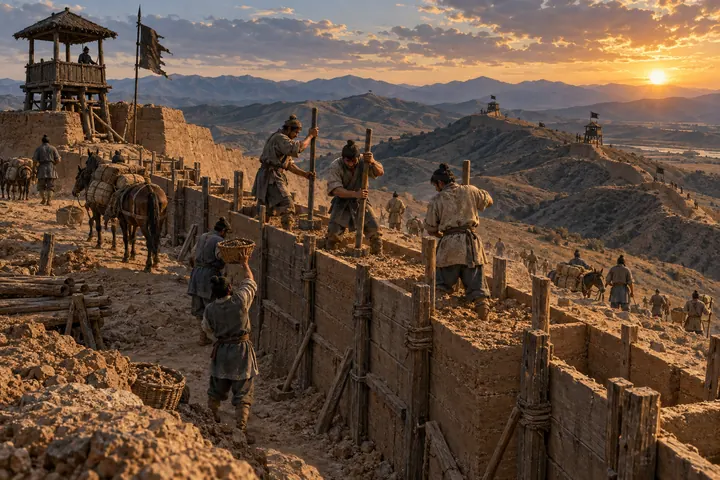
Choose one section for a separate day, allowing real travel time from the city. Read tower blocks, wall materials and the siting of passes; stay on open visitor routes, and pick shorter stretches for mixed parties — steps and grades are demanding. The Meng Jiangnü tale belongs to folklore, not dating evidence. Badaling is easier to reach but busier; Mutianyu quieter — choose by season.
Understand the places before you go
Palace Museum and Jingshan
- When Was the Forbidden City Built? Yongle’s Beijing →
Planning began in 1406, major construction in 1417, and completion followed in 1420. Separate the building project from later repairs and rebuilding.
Shichahai and Guo Shoujing Memorial
- Guo Shoujing and the Tonghui River →
Why would a water route take a detour? Follow springs, terrain and shadows to explore Guo Shoujing’s work on Dadu’s waterways and the Shoushi calendar.
Badaling or Mutianyu Great Wall
- Qin and Ming walls: one name, different historical sites →
A brick rampart does not take you straight into Qin times. Read terrain, materials and infrastructure to distinguish the periods within “the Great Wall.”
- Why Was the Ming Great Wall Built? Towers, Passes and Length →
Understand the Ming Great Wall’s defenses and distinguish its 8,851.8 km survey figure from the 21,196.18 km total for walls of different periods.
- Meng Jiangnü and the Great Wall: how a story of separation changes →
Winter clothes, a search and a collapsing wall: hear the tale, then compare the earlier text and its changing local traditions.
Before you go
Places along the Central Axis have separate entrances and access arrangements; it is not one continuously walkable route. Choose a segment and check reservations, tickets and access requirements for each venue before visiting.