The Tumu crisis of 1449: how Beijing held after an emperor was captured
Defeat at Tumu did not settle Beijing’s fate. Yu Qian, a reconstituted court and the capital’s defenders faced problems of command, supply and political authority.
A capital close to a contested frontier
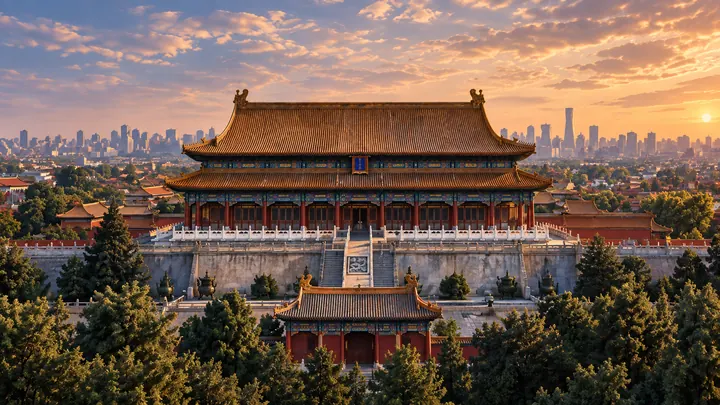
The Yongle development of Beijing closely connected the Ming political centre with affairs on the northern frontier. By the mid-fifteenth century relations with Mongol groups included warfare, tribute missions and trade, not simply an unchanging line of hostility. The growing power of the Oirats altered the northern balance.
In 1449 the Ming emperor Zhu Qizhen, known as Yingzong, personally joined the campaign. An emperor’s presence could appear to concentrate authority, but it also tied the ruler’s safety to one military operation. Beijing faced a particular risk: defeat might cost it not only troops but the person through whom supreme orders were issued.
A military defeat became a crisis of government
Serious problems of command, movement and supply developed during the expedition and retreat. The Ming army suffered a devastating defeat at Tumu, in the area of present-day Huailai in Hebei. Yingzong was captured by Oirat forces, and numerous senior officials travelling with the army died. The Tumu disaster belongs to 1449, the fourteenth year of the Zhengtong reign.
The eunuch Wang Zhen played a prominent role in the decisions. Yet blaming one bad idea by one person leaves the wider failure unexplained. Could objections change policy? Who could correct a dangerous course? Those questions about authority and effective advice did not vanish with the deaths of individual decision-makers.
Remaining in Beijing required working authority
Beijing had to respond both to approaching forces and to the absence of effective supreme authority. Some proposed moving the court south; Yu Qian argued for holding the capital. This was more than a contrast between courage and fear. Relocation would affect soldiers, residents, stores, offices and northern defences. Staying also required a workable plan.
Yingzong’s brother Zhu Qiyu was installed as emperor, later using the reign title Jingtai. A new political centre could authorise recruitment, supplies and command. Yu Qian became minister of war and directed military affairs, but the response depended on several ministers and institutions rather than a single individual saving a city alone.
Defence meant turning resources into action
As Oirat forces advanced, the defenders had to organise available troops, equipment and supplies, coordinating positions at the gates and beyond the walls. The defence repelled the attack and prevented Beijing from repeating the disaster at Tumu. The capture of an emperor was a grave blow, but it did not remove every capacity the state possessed.
Yu Qian’s importance lay in translating the decision to remain into military and administrative coordination. A siege was not simply a contest between two famous commanders. Supplies, equipment, messages and order all required people and institutions. Walls provided a setting; organisation made them useful.
The restoration of 1457
Yingzong returned to Beijing in 1450 but did not immediately regain the throne. The presence of two imperial figures left unresolved tensions over succession and legitimacy even after the external danger had receded. In 1457 Zhu Qizhen returned to power in the coup known as the Seizing of the Gate and adopted the Tianshun reign title. Yu Qian was then executed on a charge of plotting rebellion; rehabilitation and honours came later.
Reading the defence of 1449 beside the coup of 1457 separates military achievement from political security. Yu had been central to overcoming the crisis, but he was also tied to the Jingtai political order. Saving the capital did not protect him from a later reversal of power.
Following the story through Beijing
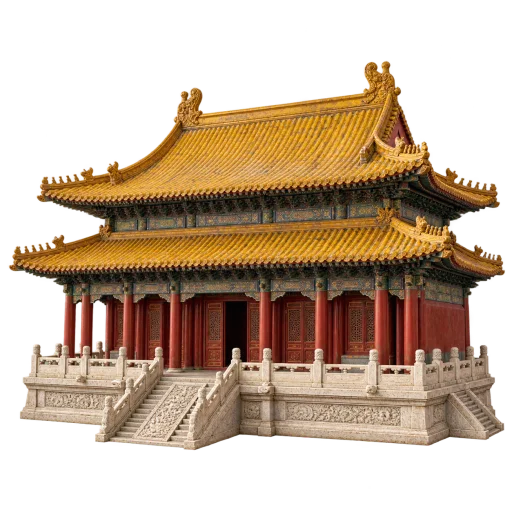
The area around Deshengmen helps place Beijing’s northern gates and defences in space, while Yu Qian’s shrine shows how later generations remembered him. Surviving buildings have undergone rebuilding and repair; not every structure visible today represents its form in 1449. Geography and commemoration offer different kinds of evidence.
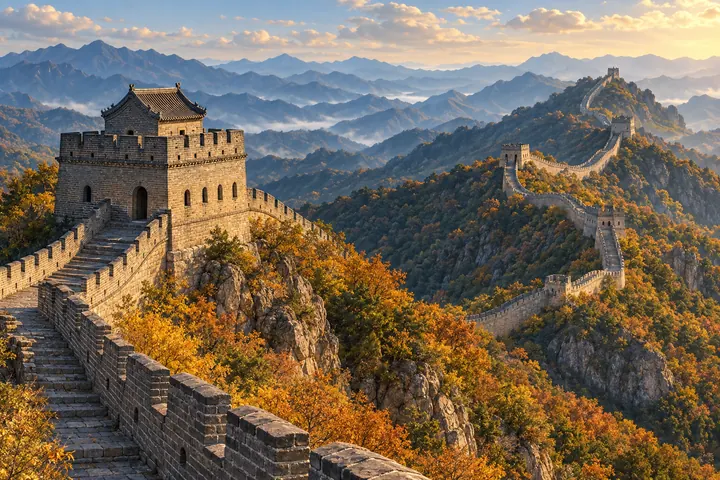
The story connects Yongle’s Beijing with the later development of Ming frontier defences and the Great Wall. Its significance reaches beyond a narrow escape. It asks whether a state could reorganise command after military defeat—and how power would be redistributed once the immediate emergency had passed.
Follow the connections