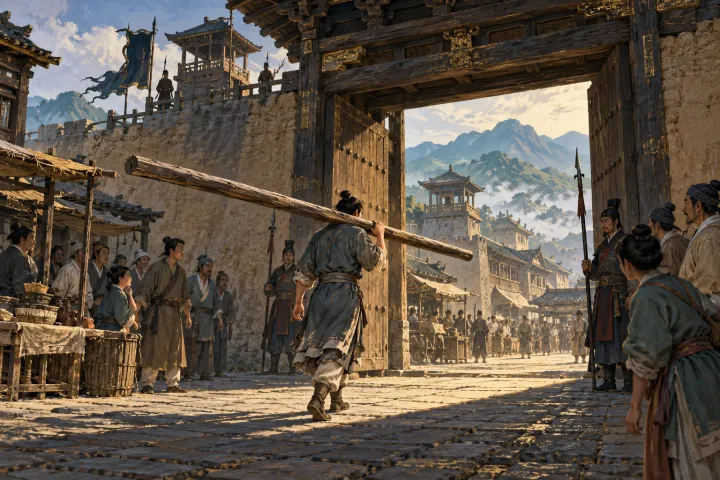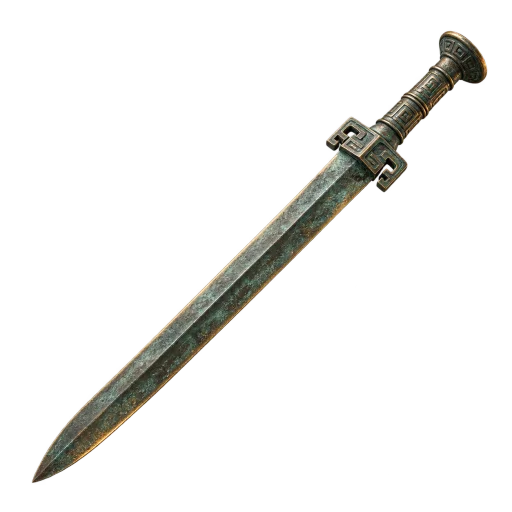
What was the Warring States period?
The Warring States was a period of competing powers, not one unified dynasty. This timeline uses the common convention of 475–221 BCE, ending with Qin’s conquest of its remaining rivals.
Eastern Zhou, Spring and Autumn, and Warring States are not three parallel dynasties. The latter two are period labels used to organize much of the Eastern Zhou context. Distinguishing a dynasty from a historical period makes the chronology easier to read.
What were the seven major Warring States?
The seven major states usually named are Qin, Chu, Qi, Yan, Han, Zhao and Wei. The list identifies leading rivals; it does not mean only seven polities existed throughout the period or that their borders were fixed.
The ancient state of Han here is not modern Korea, and this Wei is not Cao Wei of the Three Kingdoms. Put a familiar name back into its own century before connecting it with a person or battle.
Why did reforms accompany military competition?
War required soldiers, provisions and organization. Shang Yang’s reforms in Qin connected household administration, rewards, punishments and military merit with the state’s ability to mobilize resources.
The effects reached beyond battle: how were people registered, how could someone obtain status, and how did local communities meet demands? Following these questions explains how institutions affected lives, not just how a state became stronger.
What do Sun Bin and the thinkers add to the story?
In the Shiji’s account, Sun Bin suffered punishment in Wei and later went to Qi, where he advised Tian Ji. The Guiling story concerns Qi helping Zhao against Wei: Sun Bin was not winning that battle for Wei.
Alongside military rivalry, thinkers debated humane government, law, impartial care, warfare and personal life. Set these discussions within competing states to see different proposed answers to the problem of order.
How did Qin end the Warring States period?
Qin’s campaigns from 230 to 221 BCE conquered the six rival states. In 221 BCE, King Zheng took the title First Emperor. The outcome changed the scale of government, from competition between states to administering an empire.
Continue with Qin unification to ask what followed victory: how orders reached local offices, how writing and measures served administration, and how officials handled everyday work.