
City overviewPoetry and landscapes south of the Yangtze
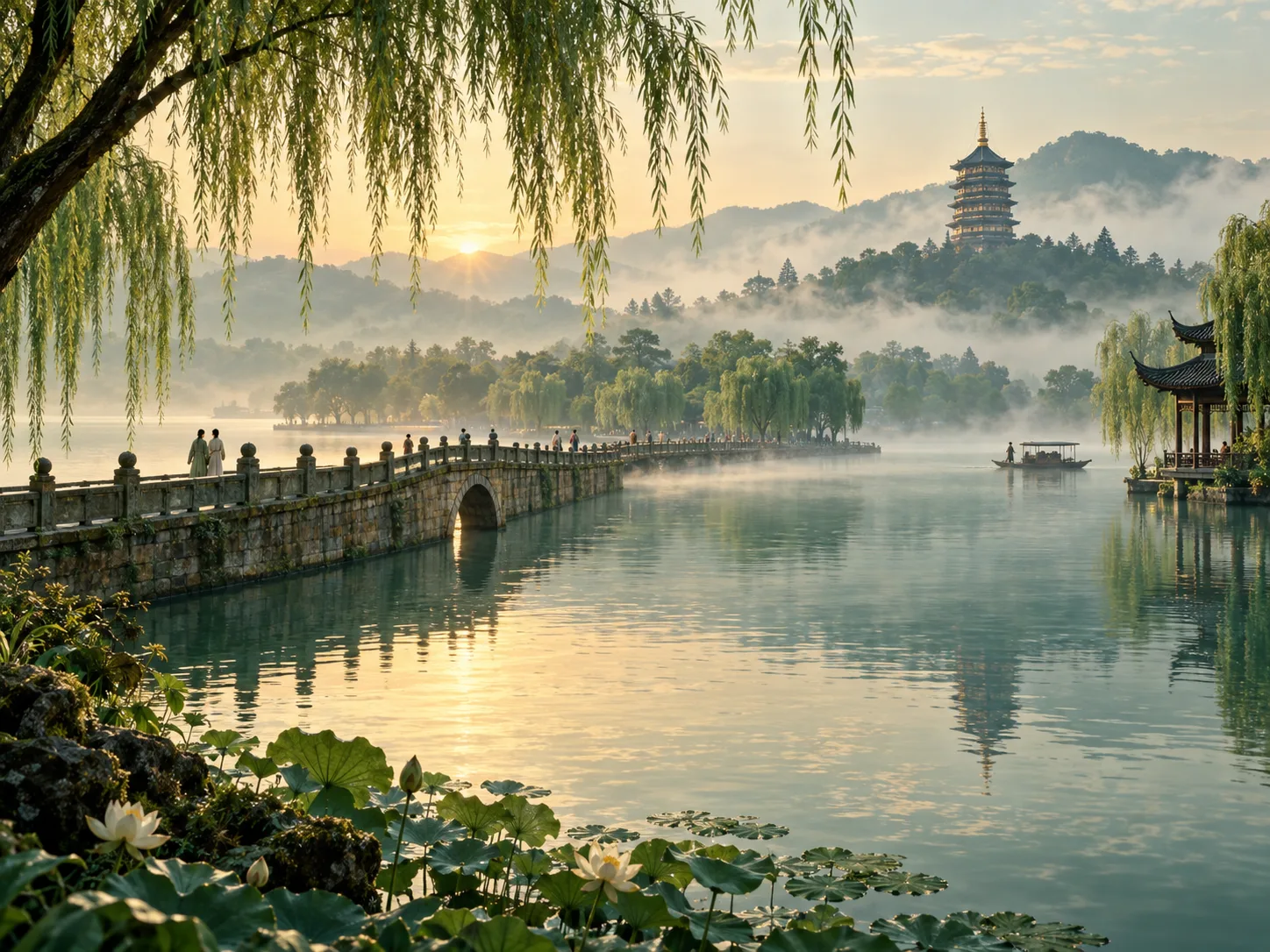
Lake, river and canal jointly shaped Hangzhou: West Lake’s water and landscaping, the Qiantang bore and its defenses, and transport at the canal’s southern end. Wuyue and Southern Song gave it political standing, and folk tales like the White Snake added literary memory to real places. The old city sits essentially on Southern Song Lin’an — the imperial street still runs along today’s Zhongshan Road; walking with “a city under the city” in mind adds a layer beyond scenery.
Start with an era, follow a story, and explore the places that connect history with the present.
The city through time
- Sui and Tang
Waterways and the prefectural city
Canal transport tied Hangzhou northward while West Lake management shaped urban water and farming. The scenery is no untouched nature but a cultural landscape of long stewardship — Li Mi’s Tang-era six pipes bringing lake water into the city started the lake-and-city symbiosis.
- Five Dynasties: Wuyue
The Qian rulers’ city
Qian Liu and his successors built up Hangzhou through waterworks, tide defenses and Buddhist patronage. Wuyue was a regional state of the Five Dynasties — not the ancient Wu–Yue rivalry. The policy of guarding borders and comforting the people kept the city out of the wars, and much of its layout and its temples and pagodas took shape now.
- Northern Song
Su Shi and West Lake
As governor Su Shi dredged the lake and raised the long causeway from dredged mud. Su Causeway joined water control, passage and landscape; what stands today reflects later repairs, not intact Song fabric. He also overhauled the six-pipe water system — under the landscape’s name ran a full urban water program.
- Southern Song
Lin’an and urban life
As Southern Song Lin’an the city grew dense with court, commerce and crafts. The Deshou Palace site helps read court space, while modern historic districts ask you to tell remains from commercial staging. The market scenes in Mengliang lu pair well with today’s Qinghefang street — compare critically.
- Later folklore
White Snake and urban memory
Broken Bridge and Leifeng Pagoda carry White Snake lore through long-evolving versions. The tale’s characters and magic are not the city’s verifiable history; they show how people invest landscape with feeling. Relics from the pagoda’s crypt are in museums; the tower itself is a 2002 reconstruction.
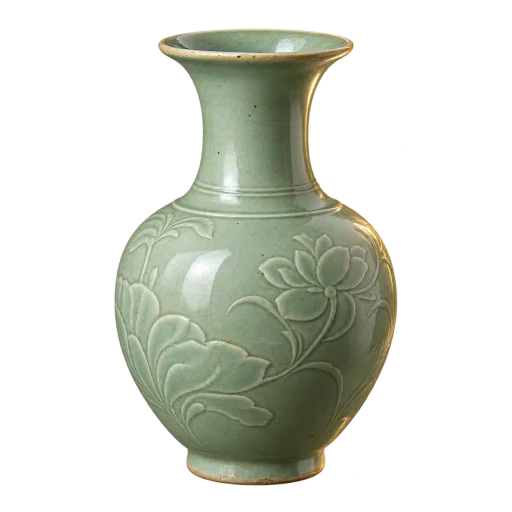
Northern and Southern Song overlap in time with Liao and Jin. Southern Song Lin’an relates to today’s Hangzhou.
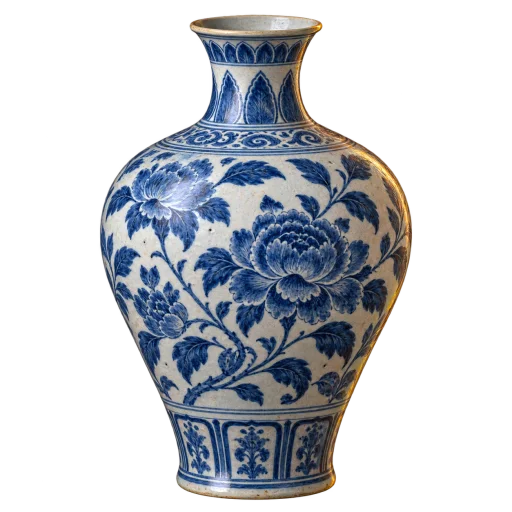
Yuan capital planning laid foundations for the later Beijing Central Axis.
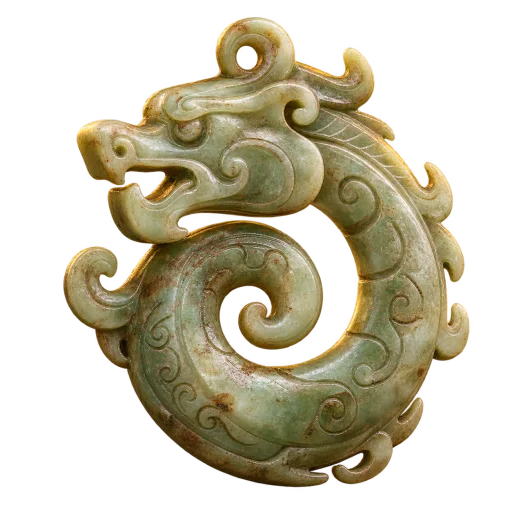
Explore settlement, farming, crafts and early cities through archaeological evidence from different regions. This span is not a dynasty or a chronology of legendary rulers.
History, culture and folklore
West Lake: landscape and culture
Poetry, causeways, gardens and ways of seeing shaped the landscape.
Read story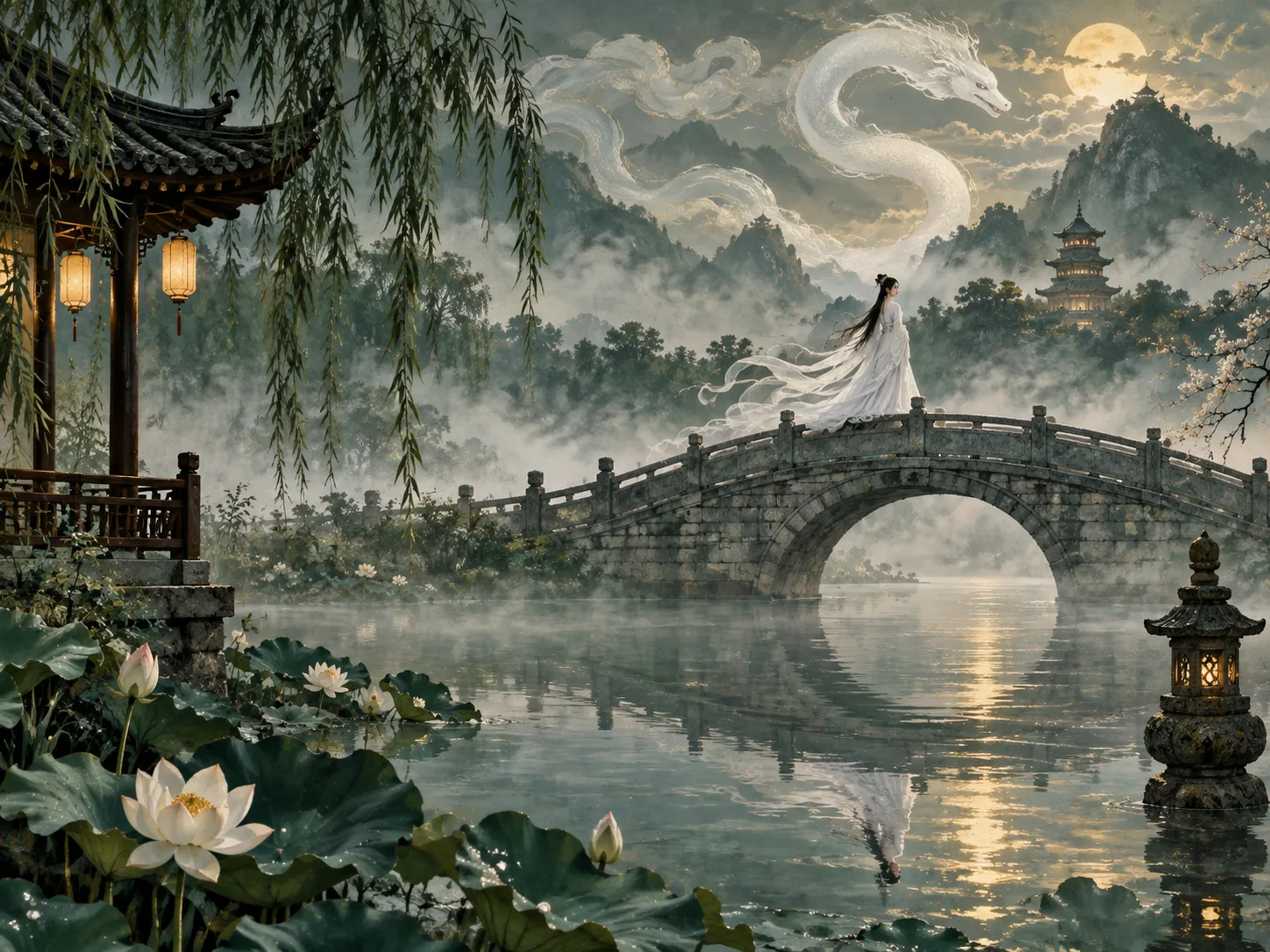
The White Snake: a city’s imagination
Broken Bridge and Leifeng Pagoda are real places; the White Snake tale is evolving folklore and literature.
Read storyFrom the Jingkang crisis to Lin’an: why the Song court settled in Hangzhou
Separate the crisis of 1127 from the settlement at Lin’an in 1138. Follow a displaced court into a city whose waterways and earlier history mattered.
Read storyThe Song–Yuan transition: why 1271, 1276 and 1279 all matter
Naming the Yuan dynasty, taking Lin’an and ending the Southern Song were separate events. Follow Khubilai and two capitals through an overlapping transition.
Read storyLiangzhu and early cities: organizing life before the dynasties
Follow rice fields, dams, jades and cemeteries into Liangzhu, then place the city within a wider landscape of interacting early societies.
Read storyDoing business in Song China: paper money, books and ships
Why accept a paper note, how did a book reach more readers, and how could a ceramic vessel travel overseas? Follow the connections behind Song commerce.
Read storyPlaces to explore
01 · West Lake and Su Causeway
Walk one stretch of the causeway slowly, reading lake, islands, hills and embankment against the dredging story behind them. The lakeshore is long; no need to circle at once. Early mornings and rainy days come closest to the paintings — midday holidays least of all.
02 · Deshou Palace Site Museum
Read Southern Song court life and site conservation together: strata, remains and displays each say something different, and booking is required ahead. The digital projections help imagine the palace — but note clearly which parts are conjecture.
03 · Broken Bridge and Leifeng Pagoda
Pick either setting to read folklore against place; they are not adjacent, and the standing Leifeng Pagoda is a modern rebuild, not a Song tower. Inside, the excavated footprint is visible below — one tower holding both the 1924 collapse and the 2002 rebirth.
04 · Gongchen Bridge and Grand Canal
Read the canal city through its bridge, banks and transport spaces — a waterscape contrasted with West Lake. The free museum cluster in the Qiaoxi blocks suits a final morning: give the canal its own reading time, not a leftover after the lake.
Suggested itineraries
Three days: lake, capital and canal
Day 1 the lake and Su Causeway with a chosen shore; day 2 Deshou Palace and nearby old streets; day 3 Gongchen Bridge and the canal. Fit one folklore setting into day 1’s route — no cross-lake box-ticking. The days read landscape, capital and waterway in that order, and the order matters: know the city before admiring the view.