
City overviewA meeting place of civilizations
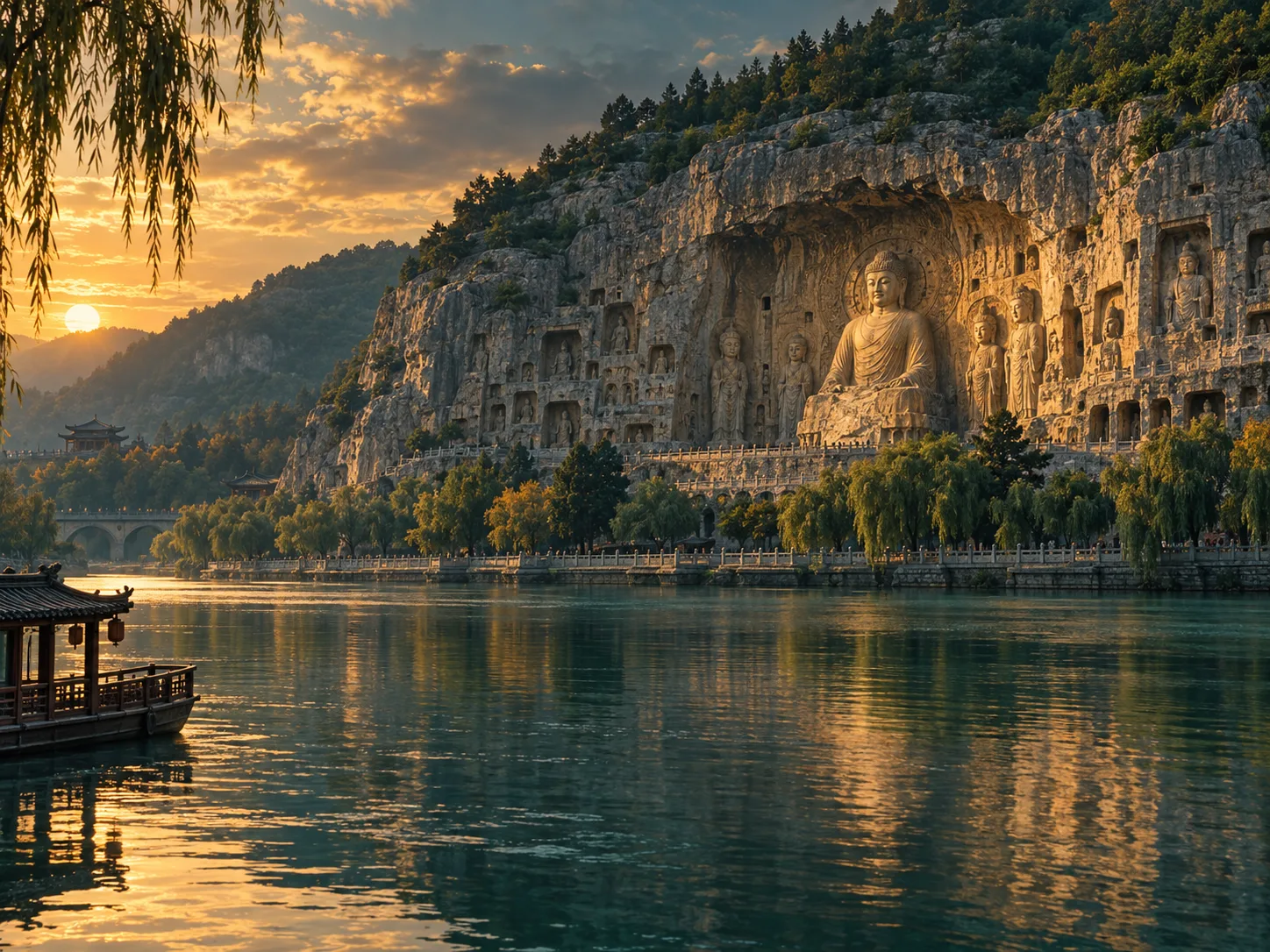
Luoyang lies on the Luo River, its successive capitals scattered across different sites: the Eastern Zhou Wangcheng, the Han–Wei city and the Sui–Tang city cannot be merged into one map. What rewards attention is how political centers moved and how Buddhist art, canals and urban life grew with them. The Hetu–Luoshu legends lend the city a cultural halo, but the real sight is evidence: five stacked capital sites are a compact history of the Chinese capital itself.
Start with an era, follow a story, and explore the places that connect history with the present.
The city through time
- Eastern Zhou
Wangcheng and Chengzhou
After the Zhou court moved east, the Luoyang region became a political and ritual center. The Wangcheng and Chengzhou sites need individual archaeological reading — not every Zhou story belongs to one scenic area. The “Son of Heaven’s six-horse” chariot pit gave a rare material footnote to the textual hierarchy of rites.
- Eastern Han to Wei–Jin
Han–Wei Luoyang
Eastern Han made Luoyang its capital, continuing through Cao Wei and Western Jin. The Han–Wei city lies east of the modern urban area — read its scale through roads, palace enclosures and walls. The Imperial Academy site and fragments of the Xiping Stone Classics record China’s earliest state-carved standard texts.
- Northern Wei
A new capital and Longmen
The 494 move under Emperor Xiaowen intertwined political change and Buddhist carving. Longmen spans many eras — Northern Wei and Tang works are not one building phase. Excavation of the Yongning Temple pagoda base inside the Northern Wei city gave archaeology’s answer to the texts’ thousand-foot wooden tower.
- Sui and Tang
The eastern capital and canals
Sui built the eastern capital and its canals, making Luoyang a hub of transport and supply; Tang continued it, with special political weight under Wu Zetian. Some palace-area displays are reconstructed — keep them apart from excavated remains. The grain cellars of the Hanjia depot are direct physical evidence of canal-era grain politics.
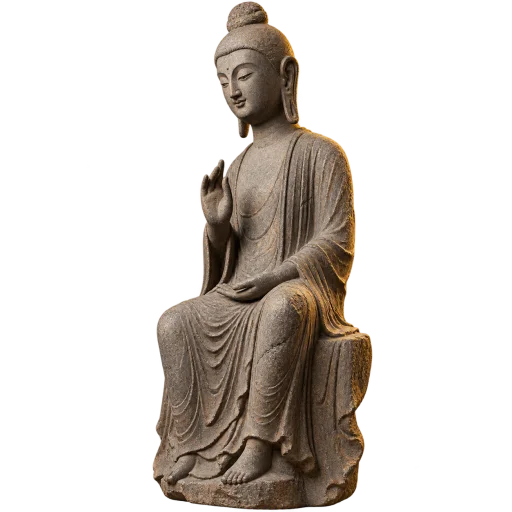
This was not one continuous dynasty. Northern Wei carving at Longmen near Luoyang reveals one cultural strand.
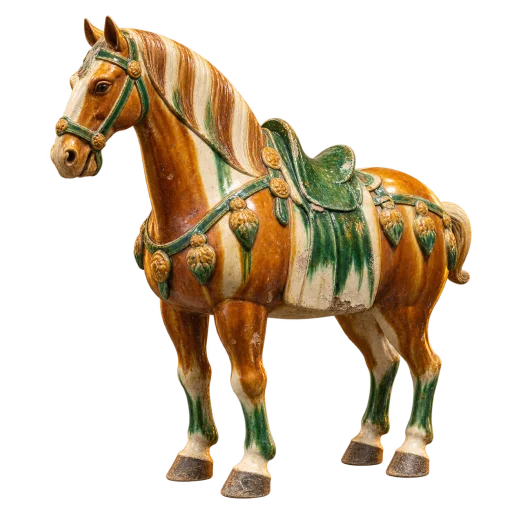
Explore Tang China’s capitals, poetry, sancai ceramics and Buddhist printing, from 618 to 907 and the changes after the An Lushan rebellion.
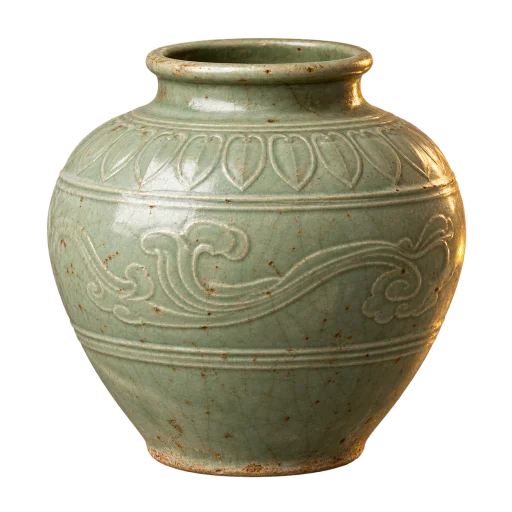
Meet Wei, Shu Han and Wu in 220–280 CE. Separate Red Cliffs from state formation, follow Jin’s reunification, and compare history with the novel.
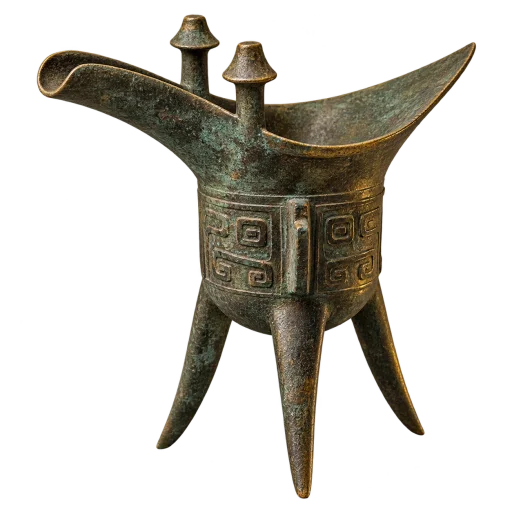
The traditional dynastic sequence begins with Xia. Whether Erlitou remains correspond to it remains debated.
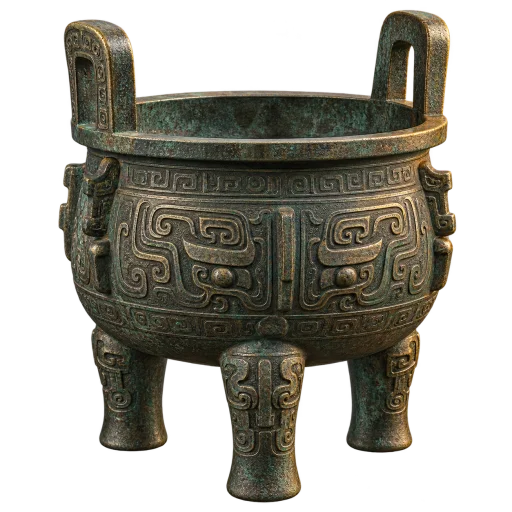
Zhou political networks, ritual practices and bronze inscriptions shaped later ideas of order.
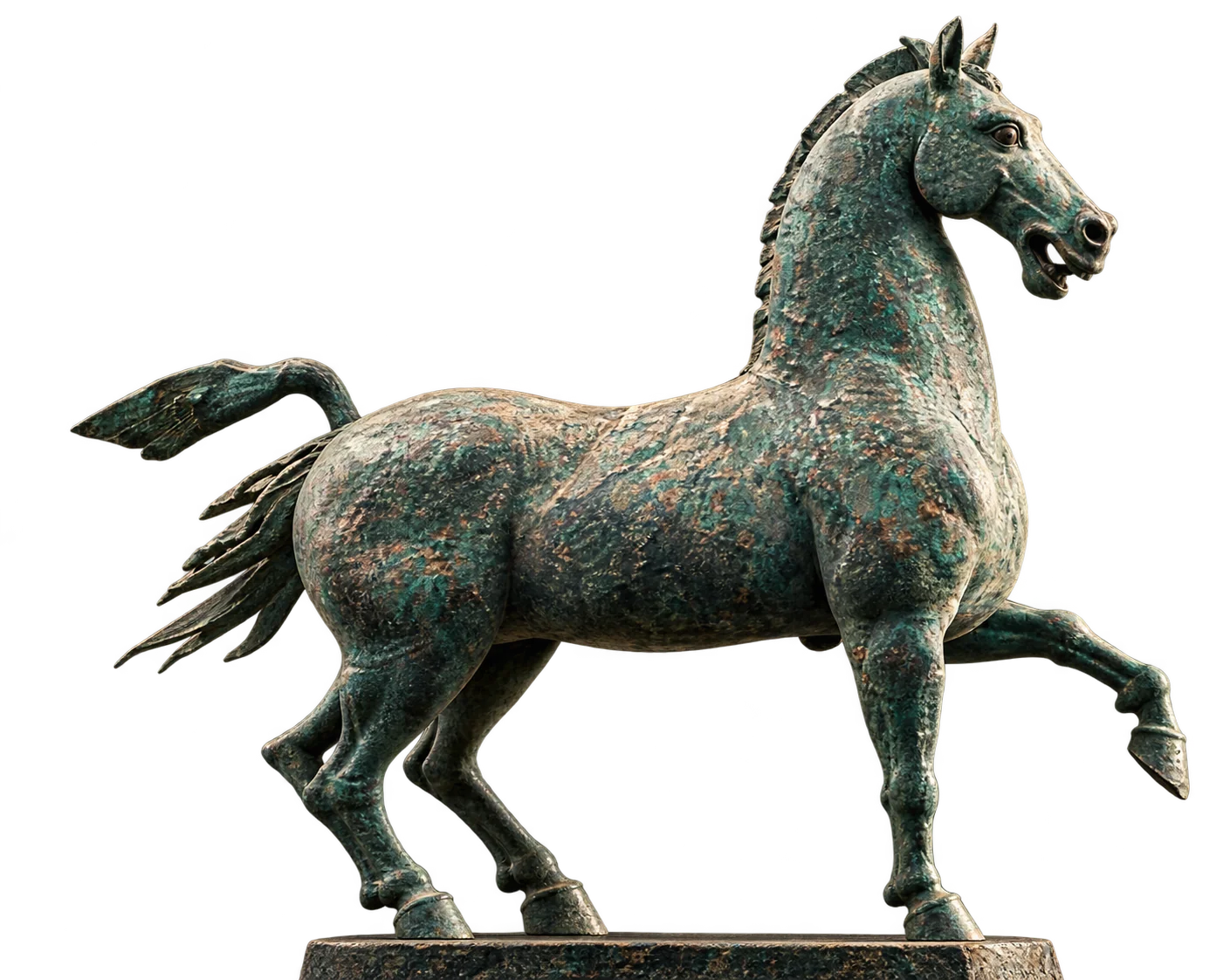
Han government, economic exchange and culture shaped later history. Western and Eastern Han were separated by the Xin interregnum, with Chang’an and Luoyang as their respective capitals.
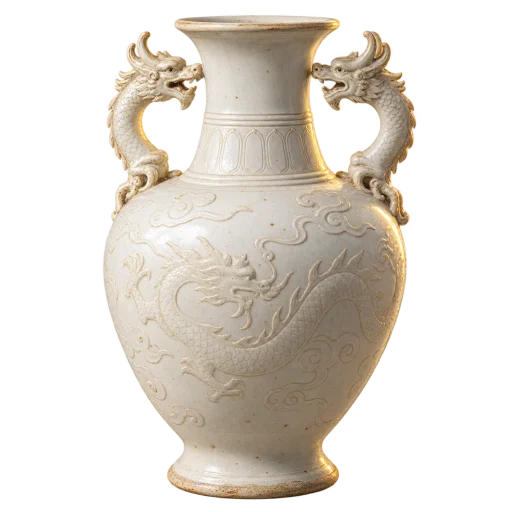
Sui reunited north and south and shaped institutions and routes inherited by Tang.
History, culture and folklore
A thousand years in stone
Northern Wei and Tang works share a landscape but not a single historical moment.
Read storyXiaowen moves to Luoyang: what changes when a capital moves?
A capital move is more than a new palace. Compare the political center, urban life and Longmen to see how change leaves different kinds of evidence.
Read storyHow the Three Kingdoms ended: from rival emperors to Jin
Three imperial claims appeared in 220, 221 and 229. Three different endings followed in 263, 265 and 280. These six dates connect Red Cliffs to Western Jin.
Read storyErlitou and Xia: what can a city without royal names tell us?
Palaces, roads, bronze casting and turquoise objects make Erlitou central to early-state research. Explore what is visible, and why its relationship to Xia remains a historical question.
Read storyHow Western Zhou connected its realm: appointments, ritual and Heaven
After victory came the harder task of maintaining relationships across distance. Follow appointments and bronze inscriptions into Western Zhou political order.
Read story
Wang Mang and Guangwu: why was Han interrupted by the Xin dynasty?
The fall of Western Han, Xin reforms, competing claimants and Eastern Han reconstruction were distinct stages. Follow the turning points of 9, 23, 25 and 36 CE.
Read storyAfter Yongjia: a court moves south, families begin again
Follow the fall of Luoyang in 311 into the migrations and political compromises that reshaped the relationship between north and south.
Read storyWhy the Sui fell: canals, campaigns and an overburdened empire
Unification did not create unlimited resources. Follow the logistics of the Goguryeo campaigns, repeated labour demands and rebellion behind the Sui collapse.
Read storyAfter An Lushan: the long road to the end of Tang
Military governors were not all rebels, and suppressing rebellion did not necessarily restore the court. Trace the shifting power behind the Tang ending in 907.
Read storyPlaces to explore
01 · Luoyang Museum
Start with objects and maps to distinguish the successive capitals before setting out. The Eastern Zhou chariot hall and the capitals’ relief model make the right first stop, building the “five capitals along the Luo” spatial picture.
02 · Longmen Grottoes
Compare Northern Wei and Tang figures — posture, drapery, cave layout — and budget real walking time; do not credit every great Buddha to one emperor. West Hill and East Hill belong to different eras’ centers: finish the Wei caves on the west bank before crossing.
03 · Han–Wei and Sui–Tang sites
Choose one site for focused reading: the Han–Wei city for early capital scale, the Sui–Tang sites for eastern-capital planning — and separate modern interpretation from ancient remains. Both areas are vaster than expected; use site shuttle or fixed stops instead of trying to walk them.
Suggested itineraries
Two days: capitals and grottoes
Day 1 museum and the Sui–Tang site area; day 2 Longmen. If site archaeology is your priority, add a day for the Han–Wei city rather than rushing both. Afternoon light falls better on the West Hill carvings — order the Longmen day around it.