
CHINA ERA ATLAS · HISTORY & CULTURE
Discover Chinese history, one era at a time.
Dynasties, memorable stories and places you can explore today.
Start your journey
Explore 95 stories →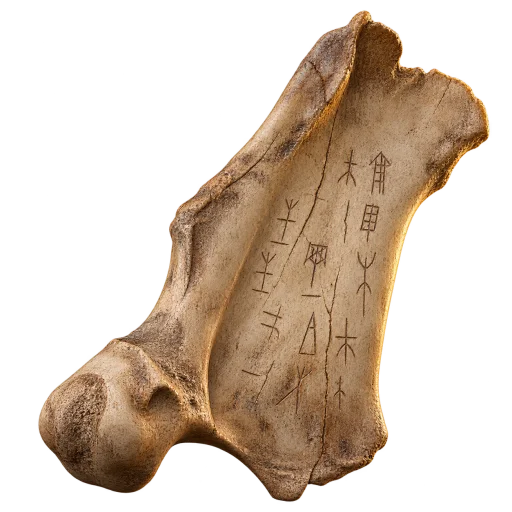
Chinese dynasties in order
Compare dates and overlapping states, then step into an era that interests you.
Start exploring →
Beijing before Beijing
Follow walls, waterways and the Central Axis back to the Yuan capital.
Start exploring →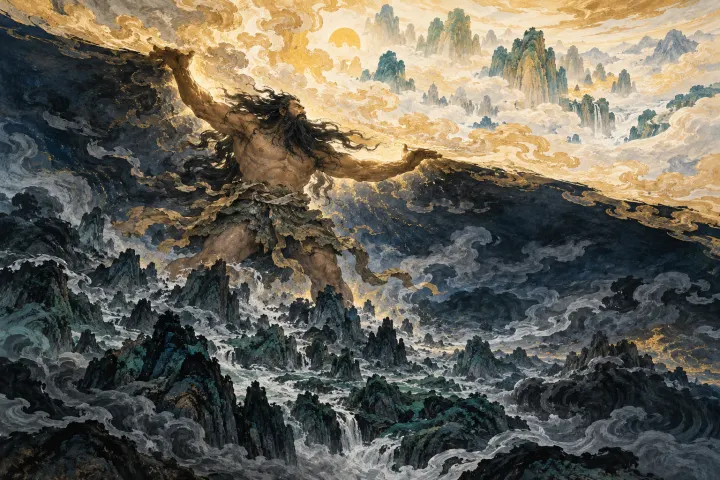
Begin with Pangu’s creation myth
Begin with the separation of earth and sky, then discover Nüwa and the repair of heaven.
Start exploring →Dynasty timeline
Han
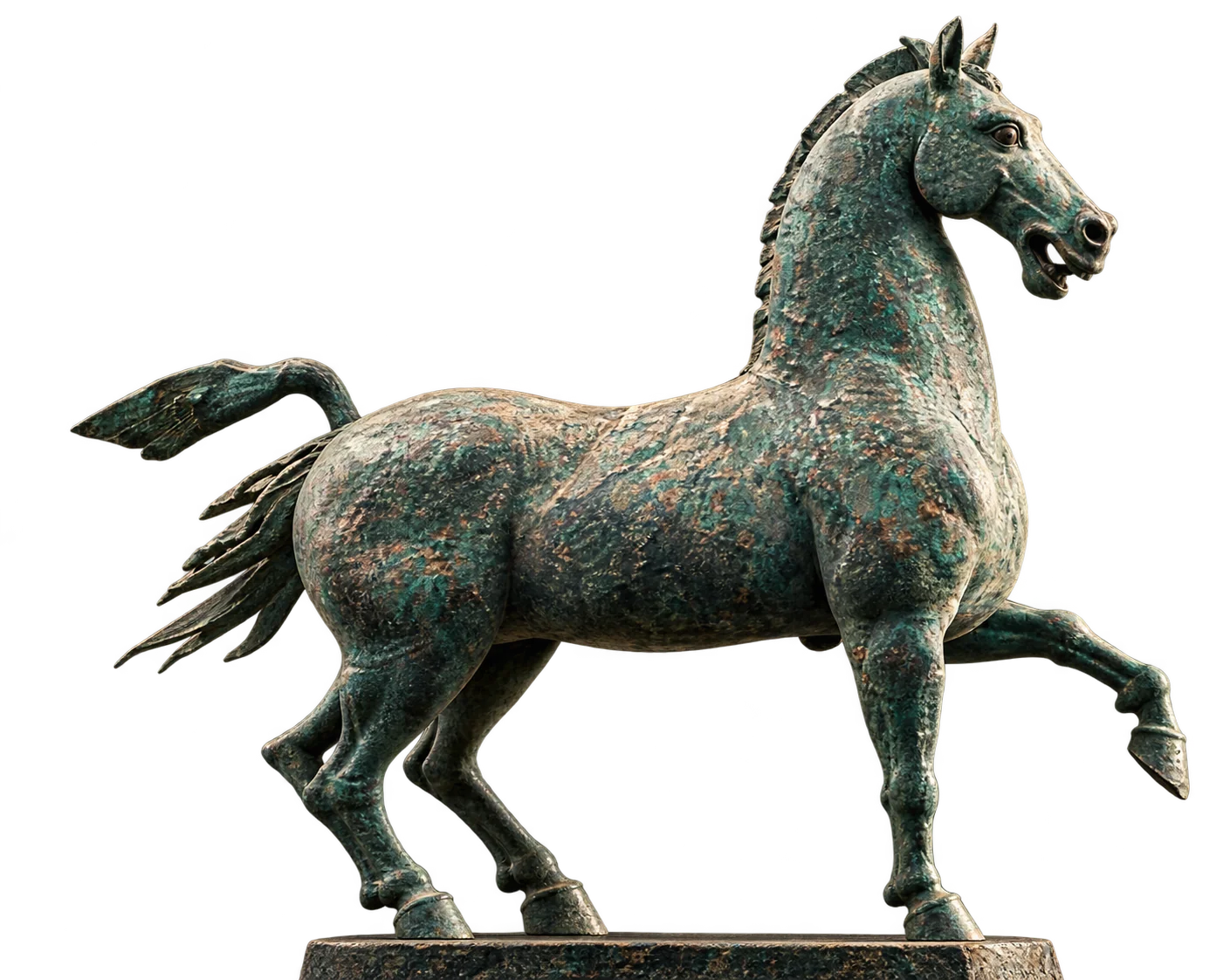
Han government, economic exchange and culture shaped later history. Western and Eastern Han were separated by the Xin interregnum, with Chang’an and Luoyang as their respective capitals.
Read this eraDrag or use the arrow buttons to explore, then select “Read this era.” Node spacing is not proportional to historical duration.
Choose an era by date
- Prehistory and early settlementsc. 10,000–1800 BCE
- Early legendsNo verifiable single chronology
- Yao, Shun and YuLegendary age
- Xiac. 2100–1600 BCE
- Shangc. 1600–1046 BCE
- Western Zhou1046–771 BCE
- Spring and Autumn770–476 BCE
- Warring States475–221 BCE
- Qin221–206 BCE
- Han206 BCE–220 CE
- Three Kingdoms220–280 CE
- Jin and Northern–Southern Dynasties265–589 CE (overlapping states)
- Sui581–618 CE
- Tang618–907 CE
- Five Dynasties and Ten Kingdoms907–960 CE (some states to 979)
- Song (alongside Liao and Jin)960–1279 CE
- Yuan1271–1368 CE
- Ming1368–1644 CE
- Qing1644–1912 CE (rule over China proper)
 GS(2016)2923Early legendsPangu and the beginning of the world
A giant gives his body to become the world: China’s best-known creation myth, told whole.
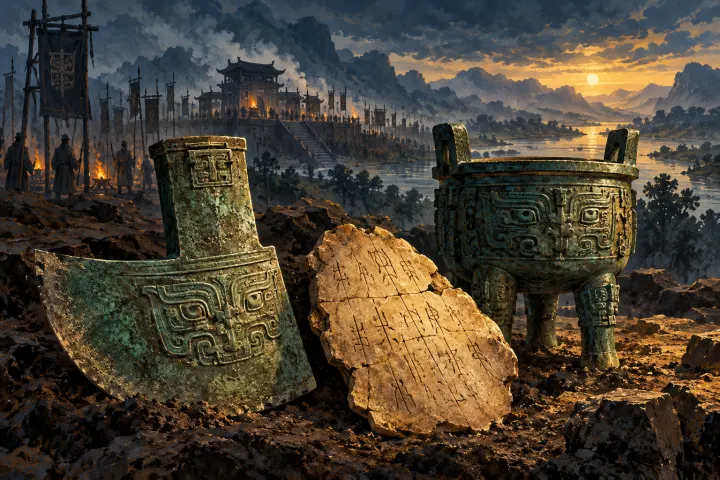 ShangWho Was Fu Hao? Shang Commander, Inscriptions and Tomb
Fu Hao was a consort of the Shang king Wu Ding, associated with military and ritual activity. Explore her name in inscriptions and the finds from her tomb.
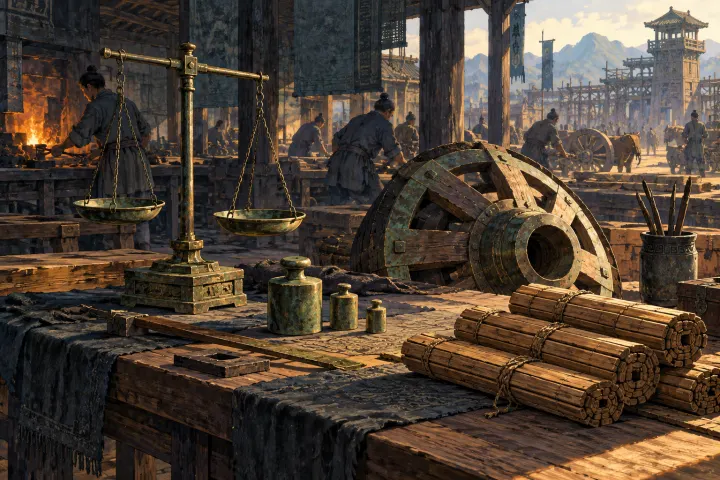 QinAfter Qin unification: how does an order become government?
Winning six states did not finish the work. A measuring vessel and county records reveal how unification entered everyday administration.
 HanChang’an and the Silk Road: why start in Xi’an?
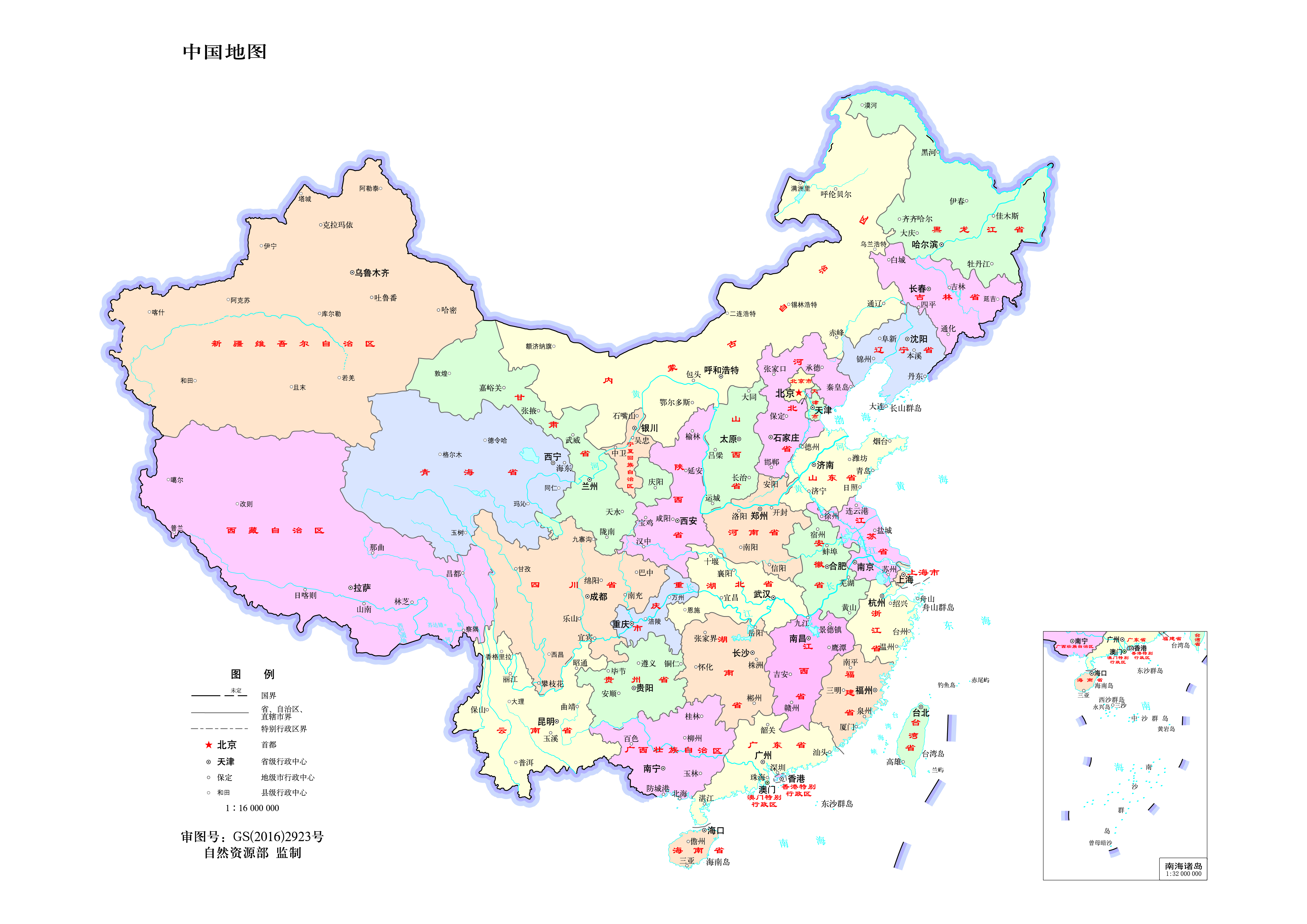
Chang’an, in present-day Xi’an, was a major Silk Roads hub. Explore Han diplomacy, Tang cultural exchange and the sites that connect this history with Xi’an today.
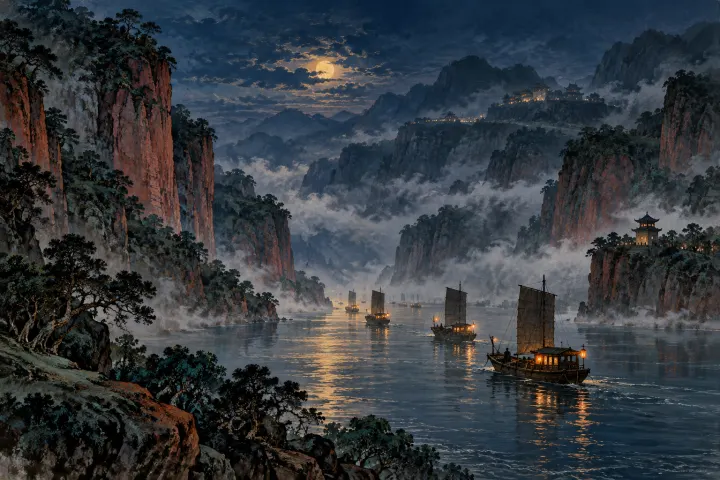 Three KingdomsBattle of Red Cliffs (208 CE): who won and why?
Sun Quan and Liu Bei’s alliance defeated Cao Cao. Follow the coalition, illness and Huang Gai’s fire attack to understand this late-Han turning point.
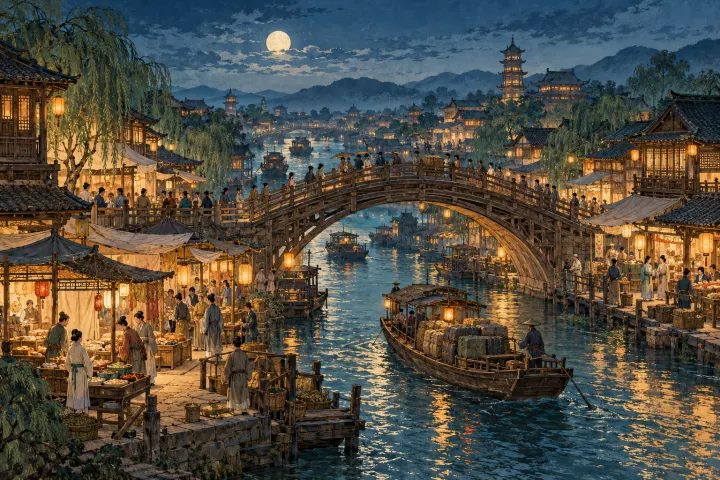 Song (alongside Liao and Jin)Along the River at Qingming: how to read a Song city
Follow a boat, then the crowd and shops. Read the handscroll in three layers without mistaking a painting for a photograph.
 MingZheng He and the treasure fleets
Seven voyages, connected ports and a bell cast for a safe return: follow the people, objects and court decisions behind Zheng He’s treasure fleets.
 Song (alongside Liao and Jin)The White Snake: a city’s imagination
Broken Bridge and Leifeng Pagoda are real places; the White Snake tale is evolving folklore and literature.